
Property Photography Laws & Copyright in the UK
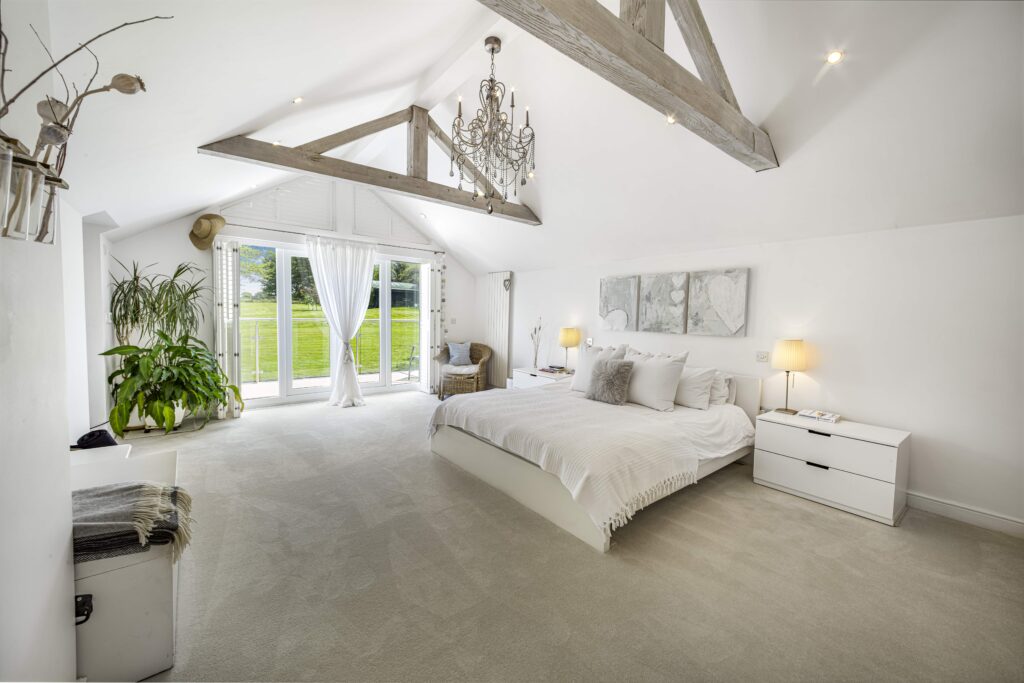
Taking photos of properties for sale or rent is common practice among estate agents and landlords in the UK. However, there are some important laws and regulations around property photography that agents and landlords need to be aware of. If you are a property photographer, make sure to keep these laws in mind to overcome trouble in future. Copyright Issues The first issue is copyright. As soon as a photo is taken, the photographer automatically holds the copyright to that image. This means in order to legally use a property photo taken by someone else, you need their permission. Simply finding a photo online and using it in your listings would be copyright infringement. If you hire a professional photographer to take photos for you, it’s important to have a usage license agreement in place. This should specify you have the right to use the photos for specified marketing purposes like property listings, brochures, websites etc. Without this, you may not have the right to use or distribute the photos the photographer takes. GDPR Privacy Regulations Property photos often show the inside of people’s homes, which means they can contain personally identifiable information. Under GDPR rules, using photos that reveal personal details about the current or past occupants could be a breach of privacy. So, if you intend to take photos inside an occupied rental property, it’s important to get consent from the tenants with regard to how the photos will be used. Specific details should be given on things like inclusion in online or printed listings, distribution to third parties, length of time they will be used for etc. Tenants have a right to refuse or restrict permission. Leaving visible personal items like family photos in the shots is not recommended. Likewise, photos showing documents, and medication could be a violation of privacy rules. Issues Related to Trespassing Entering a property without the owner’s permission in order to take photos could potentially be considered trespass. So, for vacant rentals or sales properties, it’s important to get consent from the owner or vendor before accessing the property to take photos. Using Drones The use of drones for aerial property photography has increased. However, drones are covered under specific UK laws relating to privacy and data protection. The Information Commissioner’s Office (ICO) states that photos taken from drones that show identifiable people may require consent and be subject to data protection regulations. In addition, drone users have to abide by regulations set by the Civil Aviation Authority (CAA). There are specific legal requirements around licensing, flying distances, height restrictions etc. Make sure to check the current drone laws if you intend to use aerial photography for your listings. Final Words While great photos are indispensable in property marketing, there are a several legal issues to consider around copyright, privacy rights, trespass and drone use when taking and using photos of residential properties in the UK. Consulting photography agreements, getting consent and checking laws/regulations will help estate and letting agents remain compliant. Property photography laws need to be taken into consideration.
How to Avoid Legal Issues with Drone Property Photography
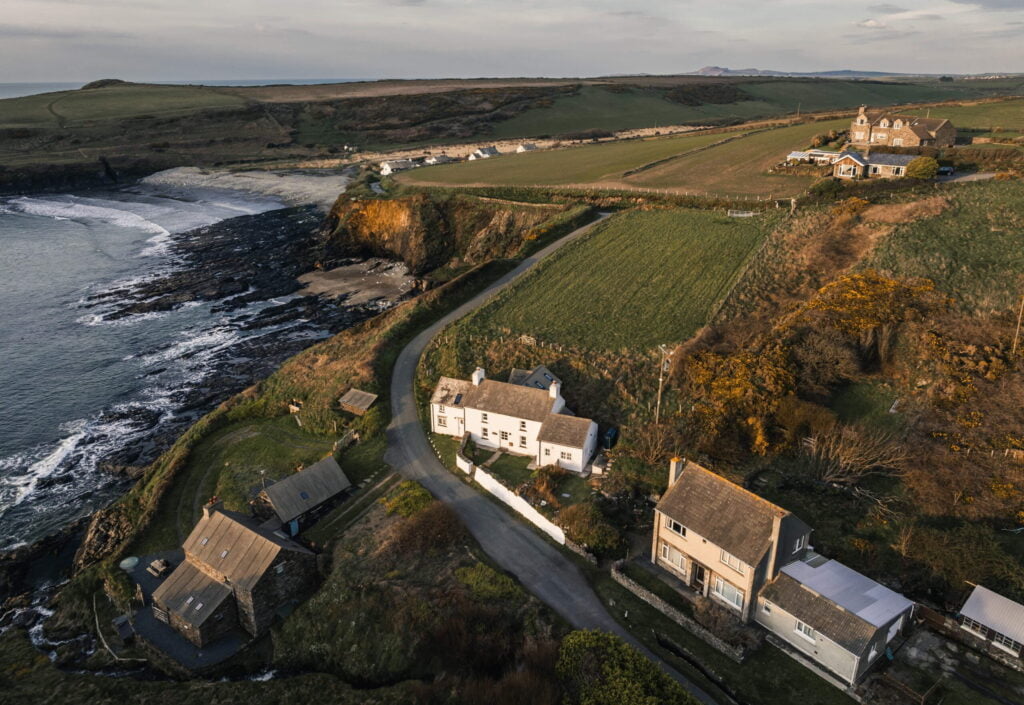
Drones have opened up exciting possibilities for real estate photography and videography. Getting beautiful aerial shots of properties can really make listings stand out. However, operating drones for commercial purposes comes with legal requirements that you need to follow in order to avoid fines or other penalties. Here are some tips to keep your drone property photography business on the right side of UK law and avoid legal issues with drone property photography. Register as an Operator The first step to legally using drones for commercial flights in the UK is to register as an operator with the Civil Aviation Authority (CAA). This involves taking and passing an online education course as well as paying a registration fee. Once registered, you will receive an Operator ID to openly display on your drones. Failing to register could lead to prosecution. Don’t Fly Drones Above 120 Meters The legal height limit for drones in the UK is 120 meters (400ft). Going any higher risks collisions with manned aircraft and violates regulations set forth by the CAA. Staying under this altitude threshold helps ensure you comply with the rules. Some drones have built-in safety settings to prevent you from exceeding the height ceiling. Maintain Clear Line of Sight Rules in the UK mandate that drone operators keep their unmanned aerial vehicles within their visual line of sight at all times. So, you can’t fly your drone behind buildings or out of view. Keeping continuous line of sight helps you avoid collisions and fly responsibly. You should also have a spotter standing alongside you to assist with maintaining situational awareness. Get Permission from Property Owners Before launching your drone to photograph someone else’s property, be sure to get their consent. As a courtesy, let your clients know ahead of time that you’ll be using a drone and assure them about your adherence to CAA rules. Showing neighbours that you have the property owner’s permission might also prevent nosy onlookers from reporting you. Keep documentation that demonstrates the property owner agreed to the drone photography. Consider Privacy Implications Be mindful of privacy when photographing residential properties with aerial drones. Shots peering over fences or capturing the inside of windows where people have a reasonable expectation of privacy could infringe legal protections and land you in hot water. Intentionally capturing identifiable photos of individuals without their permission could also raise privacy issues. Stick to photographing the building’s exterior to play it safe. Consider Getting Insurance Operating drones commercially comes with risks, including crashes, flyaways, and potential injuries or property damage. Carrying insurance can protect you from expensive legal claims in such events. There are drone insurance policies available to cover liability, hull damage, payload issues, and more. Having coverage gives you peace of mind in case the worst happens while working. Check policies carefully as drone insurance can vary widely on aspects like qualifying pilot requirements, excluded drone activities, and territorial limitations. Finding the right policy for your UK-based drone photography business is prudent. Understand Privacy Injunction Zones Certain locations in the UK have been granted ‘privacy injunctions’ which prohibit taking identifiable photographs without permission. These zones legally protect public figures, government officials, or other prominent people’s private property from photography, even shots taken from public areas. Violating privacy injunction airspace with drones’ risks facing contempt of court claims or injunction breaches. Avoid No Fly Zones There are many zones in the UK that are illegal to fly in. These include- near airports, stadiums, prisons and military sites. You can check whether the location you are flying from is in these areas by visiting this website. Final Words Following these steps will help ensure your commercial drone operations for property photography stay within lawful bounds in the UK. As the rules and technologies evolve, be sure to keep up to date on the latest regulations and best practices from the CAA. Responsible drone use has incredible power to take property marketing to new heights while keeping your business on the right side of the law. Take a look at some of our drone images of property here. Thats how to avoid legal issues with drone property photography!
Residential Drone Photography: Legal Insights
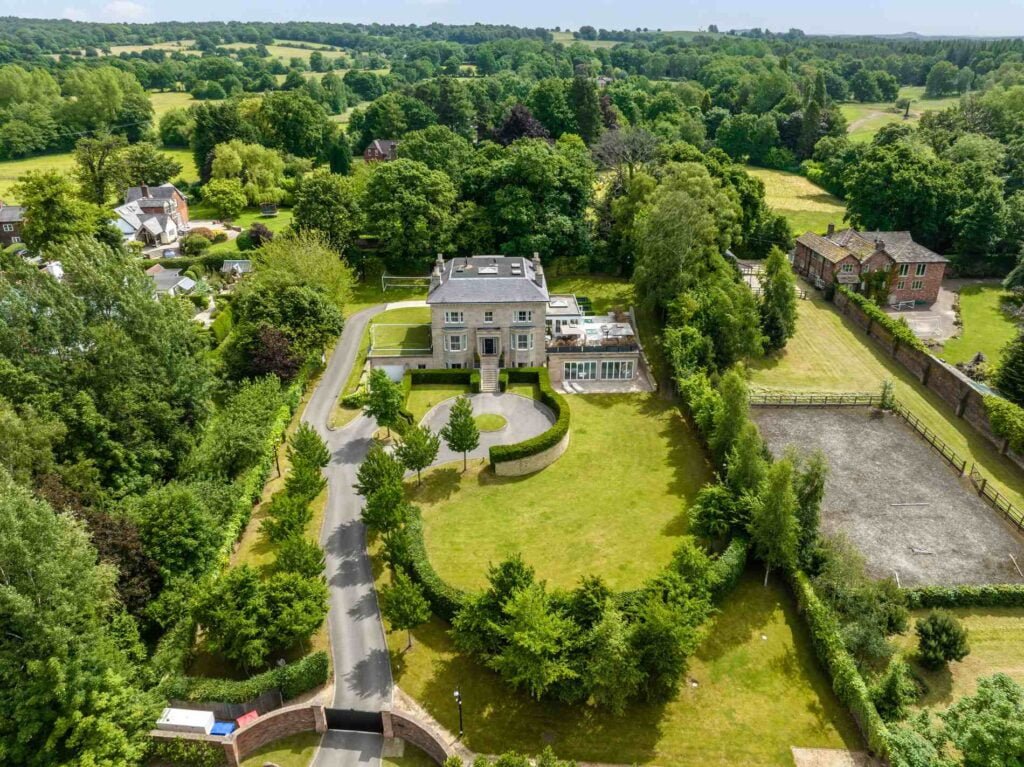
Drone photography has become a pivotal tool in showcasing properties, offering captivating perspectives. Understanding the legal parameters and necessary qualifications is essential for property photographers. This article explores legal guidelines in residential drone photography (UK). 1. A2 C of C Qualification: In the post-2020 regulatory framework, the A2 Certificate of Competency (A2 C of C) has emerged as a prerequisite for responsible drone operation. Issued by the Civil Aviation Authority (CAA), this qualification showcases an operator’s competence in adhering to safety standards, a vital aspect for flying drones in residential spaces. 2. A2 Subcategory-Certified Drones: The A2 C of C applies to drones operating within the A2 subcategory. These drones are designed to meet specific safety standards, ensuring compliance with regulations when flying in residential zones. Here is a resource that goes into more detail on this subject. 3. Distances, Safety, and Compliance: Maintaining safe distances from people, buildings, and congested areas is a core aspect of responsible drone operation. The A2 C of C qualification equips drone operators with the knowledge to navigate these legal requirements, prioritizing safety and minimizing risks in residential settings. 4. Weather Considerations: Weather conditions significantly impact drone flights. A2 subcategory drones, covered by the A2 C of C qualification, are designed to operate safely in various weather conditions, allowing property photographers to plan flights responsibly. 5. Legal Ramifications of Non-Compliance: Failure to comply with drone regulations can lead to legal consequences. Possessing the A2 C of C qualification not only showcases a commitment to compliance but also protects property photographers from potential legal ramifications. As drones continue to transform property photography, adhering to legal guidelines and utilising A2 subcategory-certified drones is crucial. The A2 C of C qualification and drone specifications ensure compliance, safety, and a positive drone photography experience in residential areas. Once you have obtained an A2 you will have a much clearer understanding of legal guidelines in residential drone photography. At Hovver, we prioritise legal compliance in drone photography. Our licensed Drone Pilots hold the A2 C of C qualification, ensuring a safe and legally sound aerial experience for property photography. Contact us to explore the elevated perspectives that drone photography can bring to your property listings.