
Do Better Photos Increase Sale Price?

If you are selling a property in the UK, first impressions matter more than ever. Most buyers start their search online, and the photos they see will decide whether they click through or keep scrolling. So, the big question is: do better photos actually push up the sale price? The short answer is yes, and the data backs it up. What the Numbers Say Professional property photos make a clear difference to how much a home sells for. According to a study by VHT Studios, listings with professional photography sell for 3% to 7% more than those with amateur images. On a £500,000 property, that gap could mean an extra £15,000 to £35,000 in the seller’s pocket. That is a significant return for what is a relatively small upfront investment. The Redfin research adds more weight to this. Homes shot with professional cameras sold for between £3,600 and £14,000 more on average than those shot with basic equipment. Properties with high-quality images also sell 32% faster, which means lower carrying costs and less stress for sellers. More Views, More Offers Getting a higher price starts with getting more attention. Listings with professional photos receive 118% more online views compared to those with poor images. More views lead to more enquiries, more viewings, and ultimately more competition between buyers. That competition is what drives offers above the asking price. One UK case study tells this story well. A two-bedroom terraced house in Nottingham was valued by four agents at a ceiling of £100,000. After being photographed with a professional DSLR and enhanced in post-production, the listing went live and received a viewing on its very first day. The final sale price came in at £103,000, beating the street ceiling price. The quality of the refurbishment played a role, but so did the photography. Why Photos Change Buyer Behaviour It comes down to perceived value. When buyers see sharp, well-lit, carefully composed images, they associate those qualities with the property itself. A bright, inviting photo of a living room signals that the home is well cared for. A dark, cluttered shot signals the opposite, even if the property is in great condition. According to the National Association of Realtors, 87% of buyers say that photos are the most important factor when searching for a home online. If your images do not make a strong first impression, many buyers will simply move on to the next listing. You may never know the interest you missed. The Cost vs. the Gain Professional property photography in the UK typically costs between £150 and £500, depending on the size of the property and the services included. When you compare that to the potential gain of several thousand pounds on the final sale price, the investment is easy to justify. It is one of the most cost-effective ways to add value before a property even hits the market. Aerial photography is another option worth considering. Homes marketed with drone shots sell 68% faster than those using ground-level images alone. For larger properties, new builds, or homes with attractive outdoor space, aerial shots can add a powerful extra dimension to the listing. A Simple Decision If you want to give your property the best possible chance of selling quickly and at the right price, professional photography is not optional. It is a practical, proven tool that pays for itself many times over. Better photos do not just make your listing look good. They make buyers want to act.
What Makes a Great Property Listing in 2026?
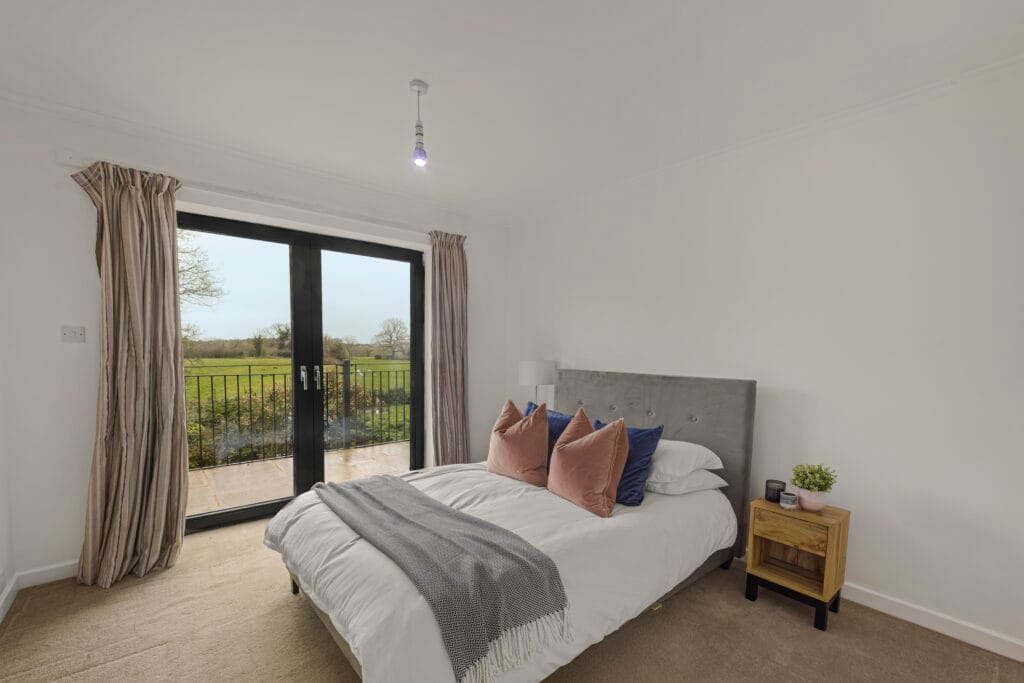
Selling or renting a property has never been more competitive. Buyers and renters scroll through dozens of listings every day. If yours does not stand out in the first few seconds, they move on. So, what separates a listing that gets clicks from one that gets ignored? It comes down to a few key things. And the most important one might surprise you. First Impressions Happen Online Most people search for property on their phone. They are commuting, sitting on the sofa, or waiting in a coffee queue. Your listing needs to grab them fast. A blurry photo or a dark kitchen shot will not do it. In 2026, buyers expect bright, sharp, professional images. These are not a luxury. They are the standard. Listings with professional photography receive up to 90% more online views than those without. Think of your listing as a shop window. If it looks dull, no one walks in. Light Changes Everything Great property photography isn’t about having an expensive camera. It’s about understanding light — and controlling it. Natural light plays a huge role in how a space feels. But waiting around all day for the sun to hit the perfect angle isn’t practical — and it isn’t necessary. Experienced property photographers know how to work with the light available on the day. In fact, consistent overcast conditions often produce the most balanced, flattering results. Bright sun can leave half a property in shadow. It creates harsh contrasts, blown highlights, and dark corners. Overcast light, on the other hand, is soft, even, and predictable. That means cleaner windows, brighter rooms, and a more accurate representation of the space. When timing does matter — such as capturing a strong exterior hero shot or a twilight image — it’s planned with purpose. But the core principle is reliability and consistency, not chasing perfect weather. The result? Images that feel natural, spacious, and inviting. And that feeling matters. Buyers make fast, emotional judgements when scrolling through listings. If the photography feels bright, calm, and well-presented, they’re far more likely to book a viewing. Show the Space, Not Just the Room One of the biggest mistakes in property listings is showing rooms without context. A photo of a bed tells you very little. A photo that shows the bed, the window, the natural light, and the floor space tells a whole story. Wide-angle lenses help here, but they need to be used carefully. Over-stretched images can distort a room and actually put buyers off. Professional photographers strike the right balance between spacious and honest. Video and Virtual Tours Are Now Expected In 2026, static photos alone are often not enough. Many buyers expect a short video walkthrough or a virtual tour before they book a viewing. This is especially true for out-of-town buyers and overseas investors. A well-produced video tour lets people experience the flow of a home. They can see how the rooms connect, how much natural light moves through the space, and how the property feels to walk around. It saves time for both the buyer and the seller. The Details That People Notice Small things have a big impact in property photography. A tidy garden. Fresh flowers on the kitchen counter. Clean windows. These details signal that the home has been cared for. Staging does not mean a full interior redesign. It means removing clutter, tidying surfaces, and letting the home breathe. A good photographer will guide you on what to prepare before the shoot. This small effort pays off every time. Why Professional Photography Pays for Itself Some sellers hesitate at the cost of professional photography. But the data is clear. Homes with professional photos sell faster and often achieve a higher price. In a busy market, your listing is competing with hundreds of others. Professional photography gives you a real edge. It shows buyers that you are serious. It builds trust before they even step through the door. In 2026, great photography is not optional. It is what makes the difference between a listing that lingers and one that sells.
Lessons From Photographing £1 Billion of UK Property
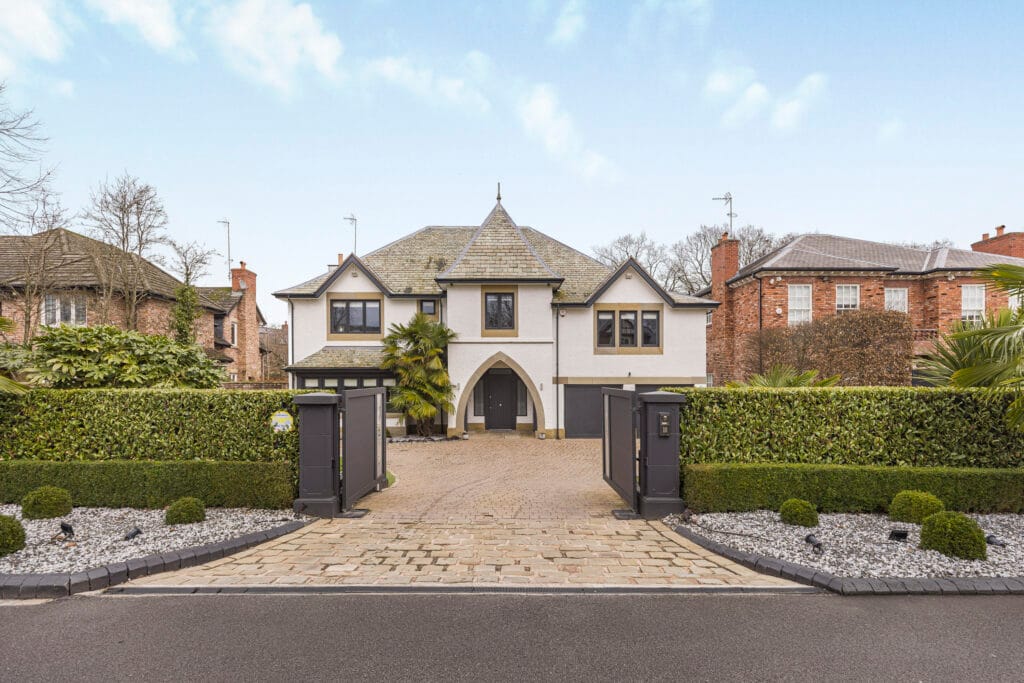
Over the past 6 years, we’ve photographed thousands of UK properties. From modest terraces in Manchester to Lakeside estates in the Lake District, from first-time buyer flats to multi-million-pound Hale conversions. The value adds up to over £1 billion in listed property. That volume brings perspective. When you’ve shot 50 kitchens in a week, patterns emerge. You start seeing what works and what doesn’t. Not theories from marketing textbooks. Instead, real data from real listings competing in real markets. We’ve been lucky. Most agents see their own listings. Most photographers work solo. We’ve had a rare view across thousands of properties, dozens of agencies, and every price bracket. Here’s what that taught us. Consistency Beats Perfection Every photographer dreams of golden hour light. That magical time when warm sunlight floods through windows and makes every room glow. Here’s reality: most viewings happen at lunchtime on weekdays. Most vendors work full-time. Most properties go live under grey British skies. We learned to embrace overcast light. It’s predictable. It’s consistent across rooms. It doesn’t create harsh shadows or blown-out windows. Buyers aren’t comparing your listing to a sunset magazine shoot. Instead, they’re comparing it to the house next door that was also photographed on a Tuesday afternoon. The properties that sell aren’t the ones with perfect light. They’re the ones that respect vendor schedules, launch quickly, and present homes honestly. Instagram fantasies don’t pay mortgages. Reliable, professional imagery does. We have many methods to brighten up these kind of shots, like adding blue skies etc. First Impressions Control Buyer Behaviour Your hero image gets three seconds on Rightmove. Maybe four if you’re lucky. In that moment, buyers make instant decisions. Scroll past or click through. It’s brutal, but it’s measurable. Listings with strong opening images generate viewing requests within hours. Weak openers sit for weeks. We’ve seen identical houses in the same street perform completely differently based purely on that first shot. Same layout, same price, same agent. Different response rates. The psychology is simple. Buyers scroll portals like social media that are fast, ruthless, emotion-led. Your hero image isn’t information delivery. It’s a promise. A feeling. An invitation to imagine their life in that space. Get that wrong, and your carefully written description never gets read. Your floor plan never gets viewed. Your video tour sits unwatched. Everything downstream depends on that opening moment. Presentation Changes Perceived Value We once photographed two identical new builds on the same development. Same builder, same layout, same finishes. One was empty. One had basic staging like sofa, rug, and a couple of cushions. The staged property received double the viewing requests and sold for £15,000 more. Same bricks. Same rooms. Different emotional response. Staging isn’t about luxury. It’s about helping buyers imagine themselves in the space. An empty room forces them to do mental work. A presented room does that work for them. It answers the question: “Could I live here?” This applies beyond staging. Decluttered surfaces, straightened cushions, cleared kitchen counters. They don’t make your property better. They make it easier to buy. There’s a difference. Buyers Compare Instantly Your property isn’t competing with average listings. It’s competing with the best listing in your price bracket within your area. A buyer searches “3-bed semi Leeds £250k-£280k” and sees twenty results. Yours needs to stand among the top five visually, or it becomes invisible. Price alone doesn’t win anymore. We see this clearly in tight markets. A well-presented £270k home will generate more interest than a poorly presented £265k equivalent. Why? Because buyers judge quality before price. They shortlist emotionally, then justify logically. This isn’t theory. Track portal analytics. The listings with professional imagery receive more saves, more shares, more viewing requests. You can do this even when they’re not the cheapest option. Buyers benchmark visually first. Everything else comes after. Trust Is Everything Online Oversaturated skies. Wildly bright interiors. Impossibly vivid colours. We’ve all seen them. In other words, property photos that look more like video game renders than real homes. Here’s the problem: buyers aren’t stupid. They spot manipulation instantly. And when they spot it, they lose trust. If you’re lying about the colours, what else are you lying about? Modern buyers are sophisticated. They’ve seen thousands of property listings. They know editing tricks. Heavy-handed enhancement doesn’t make properties look better. However, it makes them look suspicious. We’ve tested this repeatedly. Natural, honest photography generates more serious enquiries than hyper-edited alternatives. Buyers want confidence, not creativity. They want to know what they’ll actually see when they arrive for a viewing. Authentic imagery builds trust. Trust generates viewings. Viewings create sales. It’s that simple. Marketing Is Now Part Of The Product Twenty years ago, marketing supported property sales. Agents found buyers. Marketing just helped communicate. That’s reversed. Today, marketing doesn’t support the sale, but it IS the sale. Buyers start online. They filter, compare, and shortlist entirely through digital content before any human conversation happens. Your photography, your floor plan, and your description. These aren’t just supporting materials. They’re the first showing. Often the only showing. Properties with poor marketing don’t just sell slower. They sell for less. Buyers assume presentation quality reflects property quality. Weak imagery signals motivated sellers, hidden issues, or lack of care. None of those perceptions help negotiation. Strong marketing creates competition. Competition creates urgency. Urgency protects price. The photography isn’t decoration, but it’s commercial strategy. The Big Pattern After £1 billion of property and thousands of listings, one pattern towers above everything else. Homes that create emotional connection generate viewings. Homes that only present information get ignored. Buyers don’t choose houses logically. They choose emotionally, then build logical justification afterward. Your job and our job is to trigger that emotional response in three seconds on a portal screen. The properties that achieve this aren’t always the biggest or best. They’re the ones that make buyers feel something. That feeling starts with a photograph. Everything else follows from there.
Why Two Identical Houses Can Get Very Different Offers
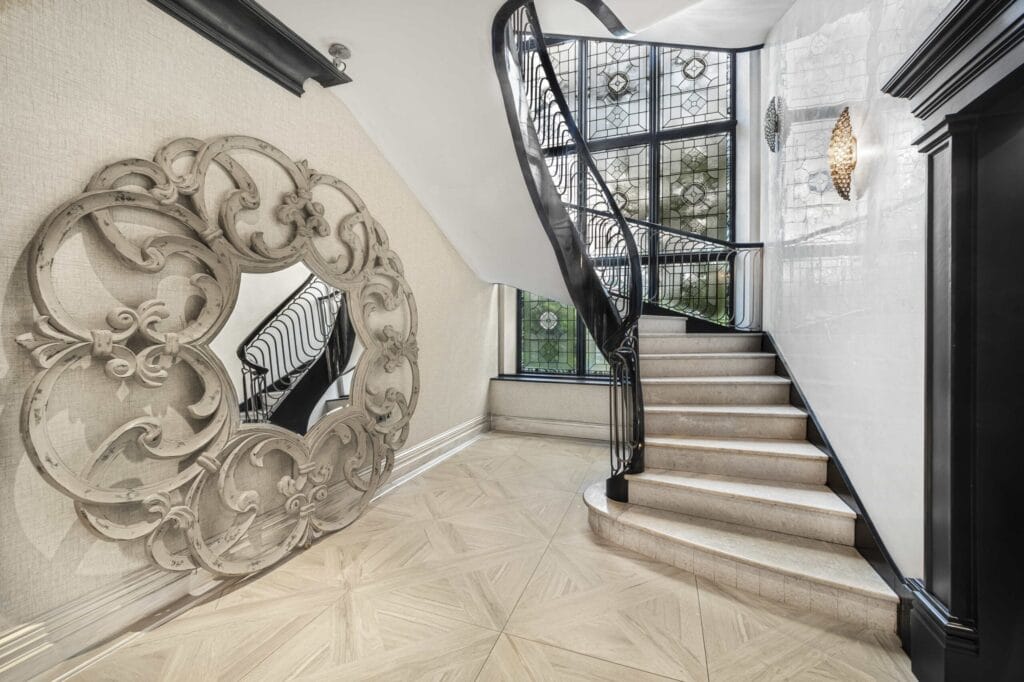
Two semi-detached houses on the same street. Built the same year. Identical floor plans. Same number of bedrooms. Yet one sells for £15,000 more than the other within days, while its neighbour languishes on the market for months. The difference? Photography. While most sellers view property photos as a mere formality, the reality is far more consequential. Professional property photography doesn’t just make homes look prettier. It fundamentally changes how buyers perceive value, space, and potential. Here’s why seemingly identical properties can command vastly different offers based purely on how they’re photographed. Photography Angles Shape Perceived Space The angle from which a room is photographed can add or subtract square metres in a buyer’s mind. Shooting from a corner at roughly 1.2 metres high creates depth and reveals multiple walls simultaneously. This technique makes rooms appear larger and more inviting. Conversely, shooting straight-on from a doorway flattens perspective, making even generous rooms feel cramped. A 4×5 metre bedroom can look either spacious or claustrophobic depending entirely on the photographer’s position. When buyers scroll through listings online, they’re making snap judgements about space within seconds. Poor angles translate directly into lower perceived value and, ultimately, reduced offers. Lens Choice: The Value Multiplier The lens mounted on the camera might be the single most important piece of equipment affecting your sale price. Wide-angle lenses (typically 16-24mm) are standard in property photography for good reason. They capture more of each room and create that desirable sense of space. However, there’s a distinction between professional wide-angle photography and the distorted images produced by ultra-wide or fisheye lenses. A skilled photographer using a 16-18mm lens maintains architectural integrity while maximising space. The wrong lens creates obvious distortion that erodes trust and prompts buyers to assume you’re hiding something. Properties photographed with proper wide-angle lenses consistently receive higher offers because they accurately convey spaciousness without appearing manipulated. Editing Consistency: The Professional Difference The final critical factor is post-processing consistency. Professional property photographers maintain consistent colour balance, exposure, and white balance across all images. This consistency signals quality and care throughout the entire property. When photos vary wildly in tone, buyers subconsciously perceive inconsistency in the property itself. They question the maintenance, the quality, and ultimately adjust their offers downward. Consistent, professionally edited images create a cohesive narrative that positions your property as premium stock, commanding premium prices. Photography isn’t cosmetic, but it’s financial. The right angles, lenses, lighting, and editing don’t just make your property look better; they make it worth more in buyers’ minds. Those perception shifts translate directly into offer amounts. That’s why you should work with a reputed property photographer like us when promoting your property to sell.
Why Professional Photography Helps Reduce Viewings from Time Wasters
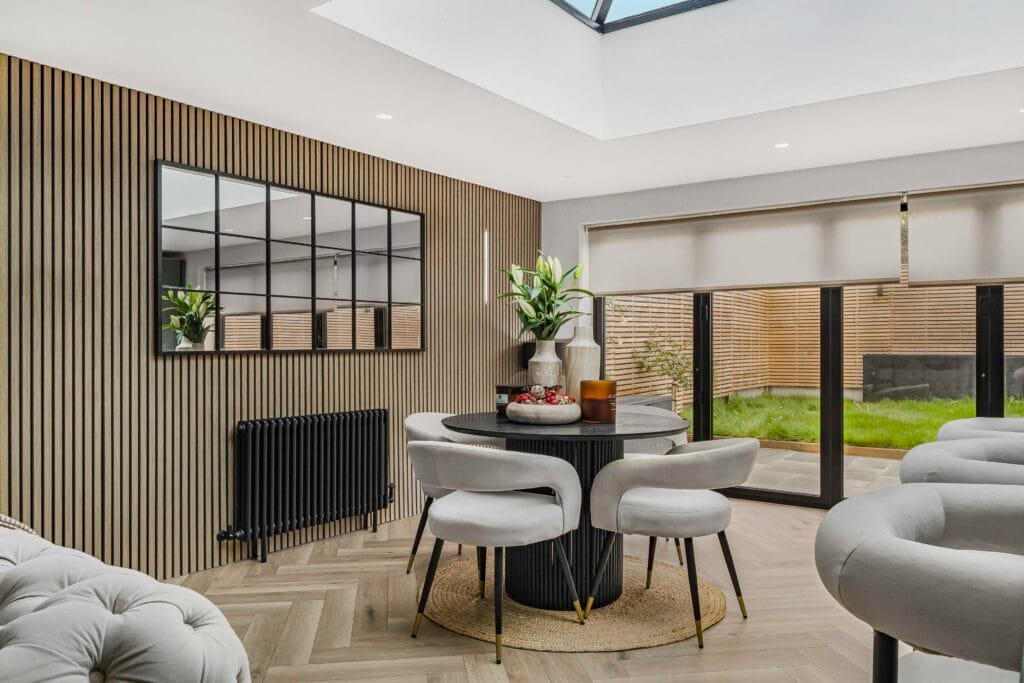
Selling a property can be time-consuming. You want serious buyers who are ready to make an offer. However, many sellers face a common problem. They deal with countless viewings from people who have no real intention to buy. These are the so-called time wasters’ Professional photography can help you avoid this issue entirely. Attracting Serious Buyers from the Start High-quality photos set clear expectations. They show your property in its best light. Potential buyers can see exactly what they’re getting. This means only genuinely interested people will book a viewing. Amateur photos often fail to capture the true appeal of a home. They might be too dark or poorly framed. Sometimes they don’t show the full layout. This creates confusion. When buyers arrive for a viewing, they feel disappointed. They realise the property isn’t what they imagined. This wastes everyone’s time. Professional photographers know how to highlight key features. They use proper lighting and angles. Wide-angle lenses capture entire rooms. This gives buyers a realistic sense of space. When photos are accurate and appealing, you attract the right audience. Filtering Out Unrealistic Buyers Good photography acts as a natural filter. It helps buyers self-select before requesting a viewing. If someone sees professional images and still wants to visit, they’re likely serious. Time wasters often book viewings based on limited information. They might see a low-quality photo and think, “Maybe it’s better in person.” They show up hoping for a pleasant surprise. Usually, they’re disappointed. Professional photos remove this guesswork. Buyers know what to expect. They won’t waste your time if the property doesn’t meet their needs. This filtering process saves you considerable effort. You won’t spend weekends showing your home to uninterested parties. Instead, you’ll focus on genuine prospects. These are people who’ve already decided they like what they see. Creating a Strong First Impression First impressions matter enormously in property sales. Your listing photos are often the first thing buyers see. Professional images create immediate impact. They signal that you’re a serious seller with a quality property. Poor photos suggest the opposite. Buyers might assume the property is poorly maintained. They could think you’re not invested in making a good sale. This attracts bargain hunters and casual browsers. These people rarely make competitive offers. Professional photography conveys professionalism throughout. It shows you value your property and respect buyers’ time. This attracts motivated purchasers. They appreciate the transparency and quality presentation. They’re more likely to make serious offers quickly. Reducing Overall Marketing Time When you attract serious buyers, properties sell faster. Professional photos generate quality leads rather than quantity. You might receive fewer viewing requests overall. However, these requests come from committed buyers. This efficiency benefits everyone involved. You spend less time preparing for viewings. Estate agents work more effectively. Serious buyers don’t compete with time wasters for viewing slots. The entire sales process becomes smoother. Professional photography is an investment that pays off. It saves time, reduces frustration, and attracts genuine buyers. Your property stands out in online listings. Serious purchasers take notice immediately. Meanwhile, time wasters move on to other properties. This creates a win-win situation for all parties involved.
The Role of Colour Temperatures & White Balance in Property Photography

Have you ever looked at a property photo and felt that something was “off,” even though the framing was perfect? Chances are that the issue wasn’t the composition. It was the colour temperature or white balance. These two elements quietly shape how potential buyers perceive a space. For professional property photographers, understanding and controlling them is one of the most important skills in creating photos that sell. Let’s explore what these terms mean and how they affect your property images. \ What Is Colour Temperature? Colour temperature refers to the warmth or coolness of light, measured in Kelvin (K). Lower temperatures, such as 2700K, give off a warm, yellowish glow similar to traditional bulbs. Higher temperatures, around 5000–6500K, produce cooler, bluish tones that resemble daylight. When it comes to professional property photography, colour temperature controls the overall atmosphere of a room. A kitchen with warm lighting may look cozy and inviting, while a modern office photographed with a cooler tone can appear sleek and professional. Getting the right temperature for each space ensures that your photos reflect the true feeling of the property rather than distorting it. Imagine shooting a living room that’s bathed in warm light during sunset. If you don’t adjust colour temperature properly, the walls might look orange instead of cream. Similarly, a bathroom with daylight bulbs could appear icy and unwelcoming when photographed under incorrect settings. This is why balancing your lighting choices and camera white balance settings is crucial. The Role of White Balance White balance is the process of adjusting colours so that whites appear truly white. Without the right white balance, the entire image can lean too warm or too cool. Most modern cameras have automatic white balance settings, but in property photography, relying solely on auto mode can lead to inconsistent results. When photographing interiors, the challenge often comes from mixed lighting—natural daylight through windows mixing with warm indoor lamps. This can make walls or furniture look uneven in tone. Setting a custom white balance, either through a grey card or in post-production, helps correct these colour shifts and ensures consistency across every photograph in the listing. A consistent white balance also helps maintain the integrity of your branding. Buyers trust images that reflect reality. When your photos display true-to-life tones, the properties look more authentic and appealing both online and in brochures. How to Get It Right There are a few simple ways to keep your colour temperature and white balance in check: Use daylight-balanced bulbs when possible to minimise mixed lighting. Shoot in RAW format so you can fine-tune white balance later without losing quality. Use a grey card or colour checker at the start of each shoot to set a neutral point. Match your interior lighting to natural daylight by turning off extra lamps with strong yellow or orange hues. Whether you’re photographing a cozy London flat or a new development in Manchester, the balance of colour and light can make or break a property photo. By mastering colour temperatures and white balance, you ensure every room feels natural, inviting, and ready for buyers to imagine themselves moving in.
What to Do if You’re Still Living in the Home When It’s Photographed
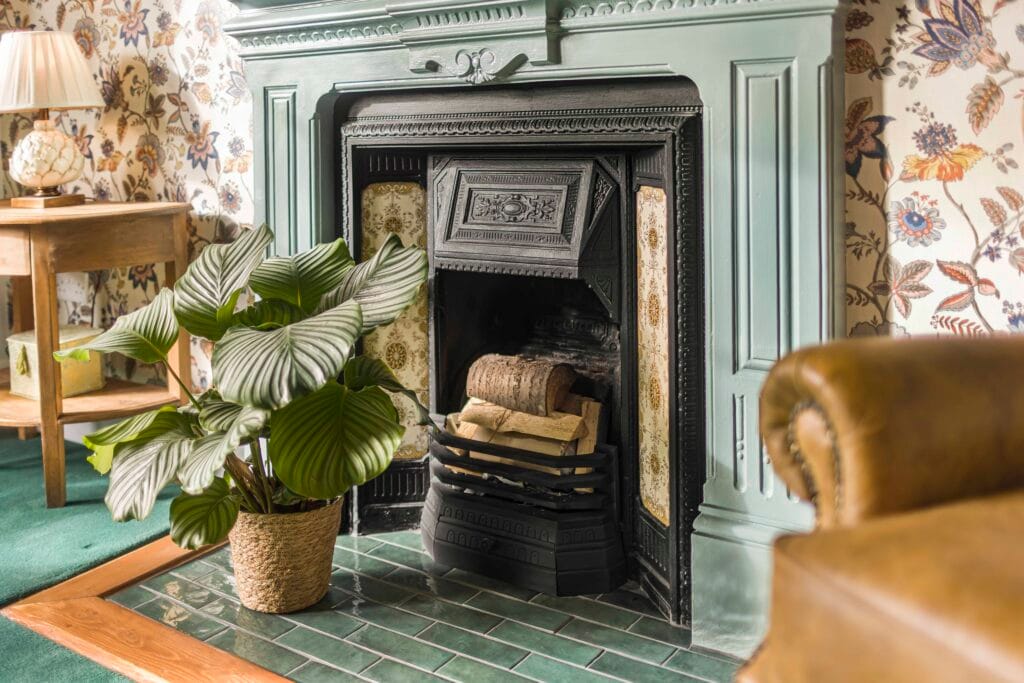
Having professional photographs taken of your property is an important step if you are planning to sell or rent it. High-quality images help attract more interest online and can make your home stand out in a busy market. But what happens if you are still living in the property when the photographer visits? It is very common, and with a little preparation you can make the process smooth while showing your home in the best possible way. Tidy Up Living Spaces One of the most important steps is a quick tidy-up before the photographer arrives. Buyers or future tenants want to imagine themselves living in the home. If there is clutter everywhere, it can distract from the actual space. Focus on key areas such as the kitchen, living room, and bedrooms. Clear away dishes, toys, laundry, and anything lying around on surfaces. If you have pets, it’s also a good idea to remove bowls, beds, and litter trays for the photos. A simple sweep of visible areas makes a big difference without too much effort. Hide Personal Items While it is natural to have personal belongings out when you live in a home, for photography less is more. Family photos, children’s artwork on the fridge, or piles of paperwork should be tucked away. This helps make the rooms look tidy and neutral so that potential buyers can imagine the home as their own. A good tip is to use boxes or baskets to quickly store items before the photographer arrives. Once the session is done, you can put them all back in place. Think About Lighting and Windows Light plays a huge role in how a property looks in photos. Make sure curtains are open and blinds are raised to let in as much natural light as possible. Dusting windows and wiping mirrors or glass doors will also help reduce streaks or marks. If the day is a little dark, turning on lamps and overhead lights can help brighten rooms and create a welcoming effect. Make Beds and Bathrooms Look Inviting When people are still living in the home, the bedrooms and bathrooms can often look a bit too personal. Preparing them for photographs takes only a few minutes but has a big impact. Smooth out duvets and add a couple of cushions to make beds look neat. Clear bedside tables of clutter, leaving only a lamp or a small decoration. In the bathroom, hang fresh towels, close toilet lids, and put away toiletries. These small touches can transform the space from “lived-in” to “hotel fresh.” Step Aside During the Shoot The photographer may need to move around freely, so it helps to step aside where possible. While you don’t need to leave the house, try waiting out of shot while they are shooting. This avoids capturing reflections of people in mirrors or glass and saves time during editing. If you have children or pets, it may be helpful to plan an activity outside or in a part of the house that isn’t being photographed. Be Flexible and Communicate Finally, remember that property photographers are used to working in lived-in homes. If something cannot be moved, or if you have a specific concern, just let them know. They understand the balance between real life and presenting a property well. Good communication helps the process run smoothly and keeps stress levels low. Living in the home while it is being photographed is very normal, and with a few small preparations, you can make sure your property looks its best. Focus on tidying, de-personalising the spaces, maximising light, and creating a welcoming feel. The photographer will handle the rest. Those professional images can make all the difference when it comes to attracting interest and getting great results in the property market.
What Happens If It’s Raining on the Day of Your Photoshoot?
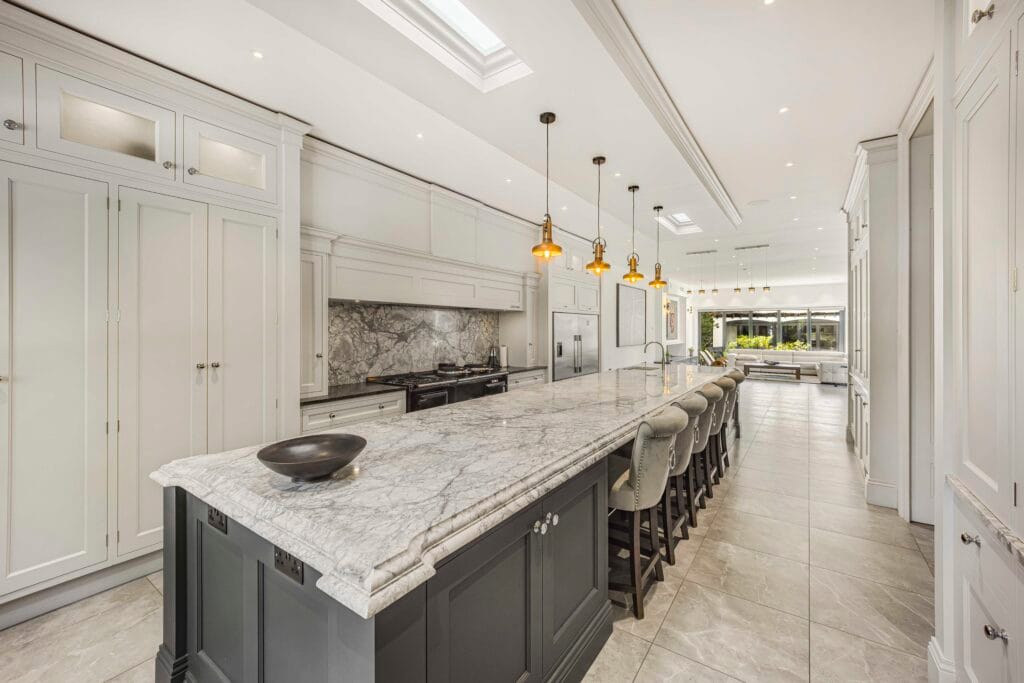
When you book a property photoshoot, you picture bright skies, clear lighting, and sharp images. But in the UK, rain is always a possibility. So, what happens if the weather doesn’t cooperate on the day of your shoot? The good news is that rain doesn’t always mean bad photos, and you often have more options than you think. Rain and Property Photography Rain has a reputation for spoiling outdoor plans. For photography, though, it can be both a challenge and an opportunity. On dull days, the light is softer and even, which reduces harsh shadows and glares. This can actually work in your favour for interior shots, as it helps rooms appear brighter and more balanced. Exterior shots may need extra care, as heavy rain or dark skies can make homes look less inviting. An experienced photographer, however, knows how to adapt and bring out the best in a property despite the conditions. Rescheduling Options Most professional property photography companies understand that nobody controls the weather. If the forecast looks grim, rescheduling is always an option. It might mean waiting a few days, but it ensures your exterior photos capture the house in its best light. This is especially important if you’re aiming to attract buyers online, as the first impression really does matter. Bright skies and dry paths generally showcase a property better than wet driveways and grey skies. Making the Most of Indoor Spaces If rescheduling isn’t possible, photographers can focus heavily on interiors during a rainy-day shoot. With the right lighting and wide-angle lenses, rooms can still look spacious, warm, and inviting. Rain outside won’t change the fact that buyers want to see where they’ll eat, sleep, and live. By paying attention to detail—tidying rooms, switching on lights, and opening blinds—you can make your interiors shine regardless of the weather outside. Editing and Post-Production Modern editing tools are another safety net. Photographers can enhance dull skies to look brighter, adjust colours to make a garden more vibrant, or remove wet reflections from pavements. While editing can’t replace the genuine feel of a sunny day, it can make sure gloomy skies don’t overshadow a property’s features. For many estate agents and homeowners, this offers reassurance that even wet-weather photos can be polished into strong marketing material. Why You Shouldn’t Worry Too Much The truth is property photographers in the UK deal with rain all the time. A seasoned professional knows how to work around it and still deliver great results. Sometimes, a rainy backdrop can even add character. Think of sleek, shiny paths or a cosy interior made more inviting by a glimpse of drizzle outside the window. Instead of seeing rain as a roadblock, it’s worth viewing it as part of the local charm that buyers are familiar with. While everyone hopes for sunshine, the reality of the UK climate means rain on photoshoot day is a regular occurrence. Whether you reschedule, shift focus indoors, or rely on editing afterwards, there are plenty of ways to get high-quality property images. Rest assured that a little rain won’t stop your property from looking appealing to potential buyers. It simply calls for a bit of flexibility and a skilled photographer with experience in all conditions.
Why Listings with Professional Photos Generate More Enquiries
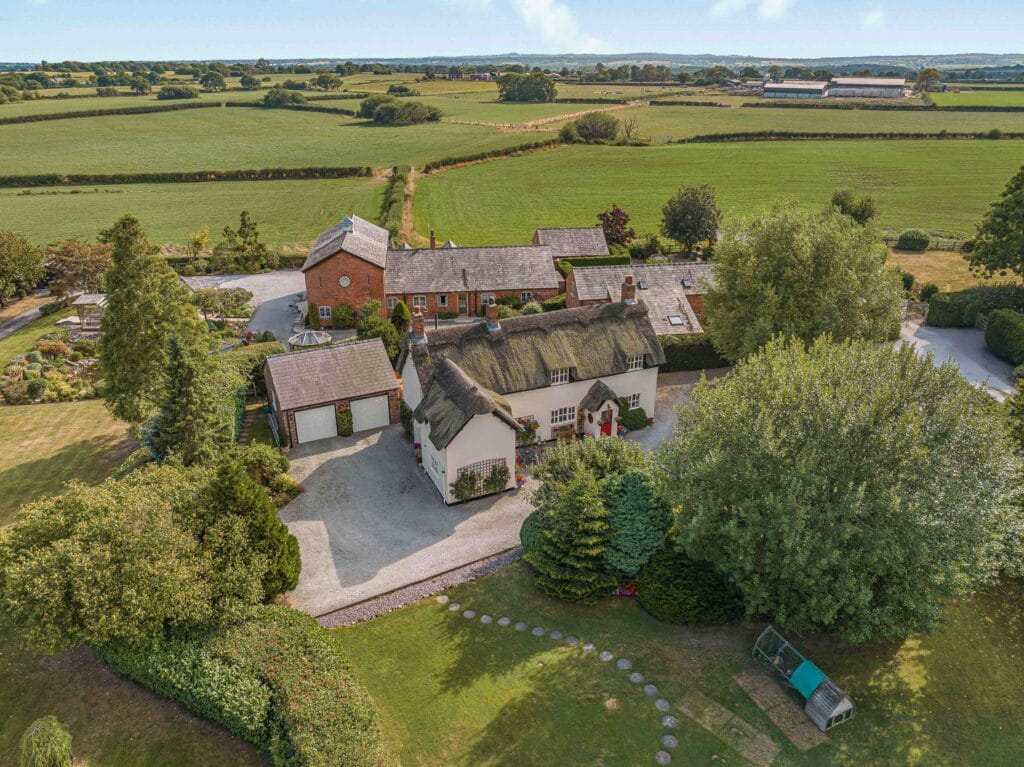
Do you want your property listings to generate more enquiries? Then you should invest in professional photos. This is not just a fact, but something that can be proven with real world data. As per data, listings with professional photos generate more enquires by increasing click through rates, time on page, and perceived value. In the UK context, where most property searches begin online on portals like Rightmove and Zoopla, compelling visuals are the difference between a scroll-past and a viewing request. The Data Case Homes with high-quality photos sell 32% faster, a strong proxy for greater enquiry volume and listing engagement that precedes offers and completions. Professional photography can increase listing views by 61%, which directly expands the top of the funnel for enquiries and viewings on property portals. Enhanced, immersive listings featuring premium visuals earn 75% more page views and 68% more saves, translating to more buyer messages and earlier accepted offers. Why Images Drive Enquiries First impressions are now screen-first: buyers and renters scan results in seconds; standout photos halt the scroll and prompt clicks to details and contact forms. Better images create a stronger emotional connection and perceived value, which nudges viewers to enquire sooner rather than waiting for the next listing. Portals increasingly reward engaging media; richer visual experiences surface higher in personalised results, amplifying visibility and inbound leads. UK Portal Reality Rightmove and Zoopla dominate attention, and users skim rapidly; listings need hero images that communicate light, space, and flow to win the click and the call. Even modest photo enhancing has been tied to double-digit improvements in Rightmove performance metrics, indicating tangible gains from visual upgrades. Managing rising image volumes and mobile display quality is a known operational focus for portals, underscoring how critical clean, fast, high-res visuals are to engagement. What “Professional” Changes Professional photographers control composition, lighting, and lines, delivering consistent, bright, and true-to-life rooms that convert browsers into enquirers. High-quality sets support immersive add-ons like interactive floor plans and structured photo sequences, which increase saves, shares, and enquiries. Agents who systematise pro media report shorter time on market and stronger offer activity, aligned with widely cited acceleration and view-lift figures. Bottom-line outcomes More views → more enquiries: +61% views translates to more messages, viewings, and offers, especially in competitive UK sub-markets. Faster movement: listings with superior visuals are more likely to secure accepted offers sooner, reducing age-on-market and fall-through risk. Higher confidence and pricing power: strong presentation elevates perceived value and agent brand, which can support firmer pricing and better negotiation dynamics. Action Checklist for Agents Invest in a consistent professional shoot for every listing: daylight-balanced interiors, corrected verticals, and a clear exterior hero image. Pair photos with an immersive layout experience (interactive floor plan and clean room-by-room sequence) to maximise saves and enquiries. Refresh ordering periodically to re-engage repeat portal browsers and surface different selling points to different audiences. In short, professional property photography isn’t cosmetic; it’s a performance lever that increases visibility, sparks emotional engagement, and converts attention into enquiries—validated by faster sales cycles, higher page interactions, and measurable view uplifts across leading platforms.
Why We Shoot Multiple Versions of Every Key Room
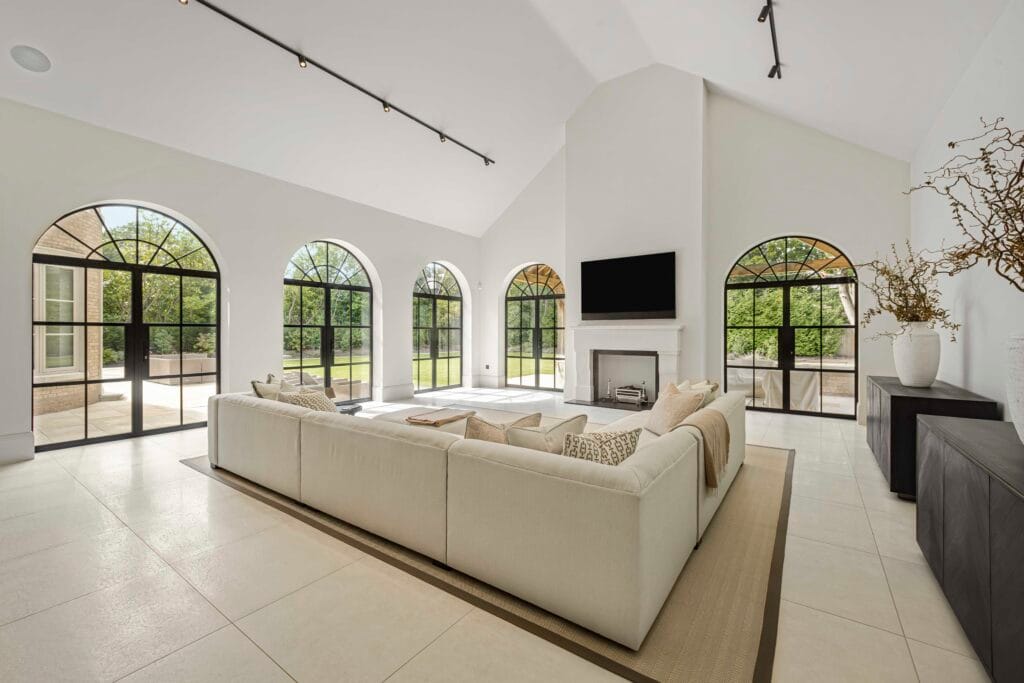
When you are selling a property, first impressions matter more than just anything. The images you present are often the very first thing a potential buyer or tenant will see. At our property photography company, we believe that high-quality images should not only showcase a home but also capture its best potential. This is why we always shoot multiple versions of every key room. Some people wonder if one good photograph of each space is enough. In truth, taking several carefully considered shots has many advantages for estate agents, landlords, and homeowners. It ensures greater choice, stronger marketing impact, and a final set of images that truly reflect the property at its best. Highlighting Different Angles Every room tells a story, and every angle reveals something unique. A single photo can’t always capture the full character of a living room, kitchen, or bedroom. By photographing from several positions, we present a fuller picture. One image might highlight the flow of the layout, while another emphasises natural light or architectural detail. Together, these views give potential buyers a more complete impression of what the property feels like in person. Showing the Space in Its Best Light Lighting can make or break a photograph. Natural light changes throughout the day, and small adjustments in exposure or positioning can alter the atmosphere of a space. By shooting multiple versions, we can choose the image that feels the most inviting. Sometimes the brighter image works best for airy kitchens, while a softer tone might suit a cosy lounge. Giving our clients options ensures they always have the perfect match for their marketing materials. Giving Clients More Choice Estate agents know that different platforms and formats require different images. What works wonderfully online may not translate as effectively in print brochures or social media posts. By providing several angles and styles, we give clients the flexibility to select the images that suit each channel. It also allows estate agents to tailor their marketing to different audiences, maximising engagement. Reducing the Risk of Oversight Another benefit of multiple shots is that we capture every important feature. A single image may miss a striking fireplace, garden view, or fitted storage. With several versions, no detail is left out. This helps ensure that the photography does justice to the property and highlights the elements that matter most to potential buyers or tenants. Professional Standards and Peace of Mind As professionals, we understand the pressure of selling and letting homes quickly. Having a rich set of photographs gives our clients peace of mind. They know they are not limited to a single view but have a varied portfolio to showcase. This approach reflects our commitment to quality, consistency, and results. In this competitive property market high-quality visuals can make the difference between a swift sale and a listing that lingers. Shooting multiple versions of each key room isn’t about quantity for the sake of it. It’s a carefully considered process that ensures the property is represented at its absolute best. For homeowners, landlords, and estate agents alike, this approach provides choice, flexibility, and the strongest possible first impression.